Greta Werner · 1 September 2026
The restoration of Palazzo Corena, a Renaissance landmark in the Italian town of Corena, has sparked intense debate among residents, historians and officials over preservation methods and community impact. The project addresses decades of neglect and regional seismic risks through structural reinforcements and careful facade work.
Scope of the Restoration Efforts
Funded by regional authorities, private donors and European Union heritage grants, the 4.8 million euro initiative combines traditional masonry with laser cleaning and non-invasive reinforcements. Work on the 16th-century building includes fresco restoration, courtyard stabilization and discreet energy upgrades, with completion targeted for late 2025. Supporters note that these steps will convert the palazzo into a venue for exhibitions and educational programs on Italian cultural heritage while meeting modern safety codes.
Architects emphasize minimal visual changes to original stonework and arched windows, aiming to retain authenticity. Similar projects elsewhere in Italy have shown that such balanced restorations can extend building lifespan without erasing historical character.
Emerging Controversies and Viewpoints
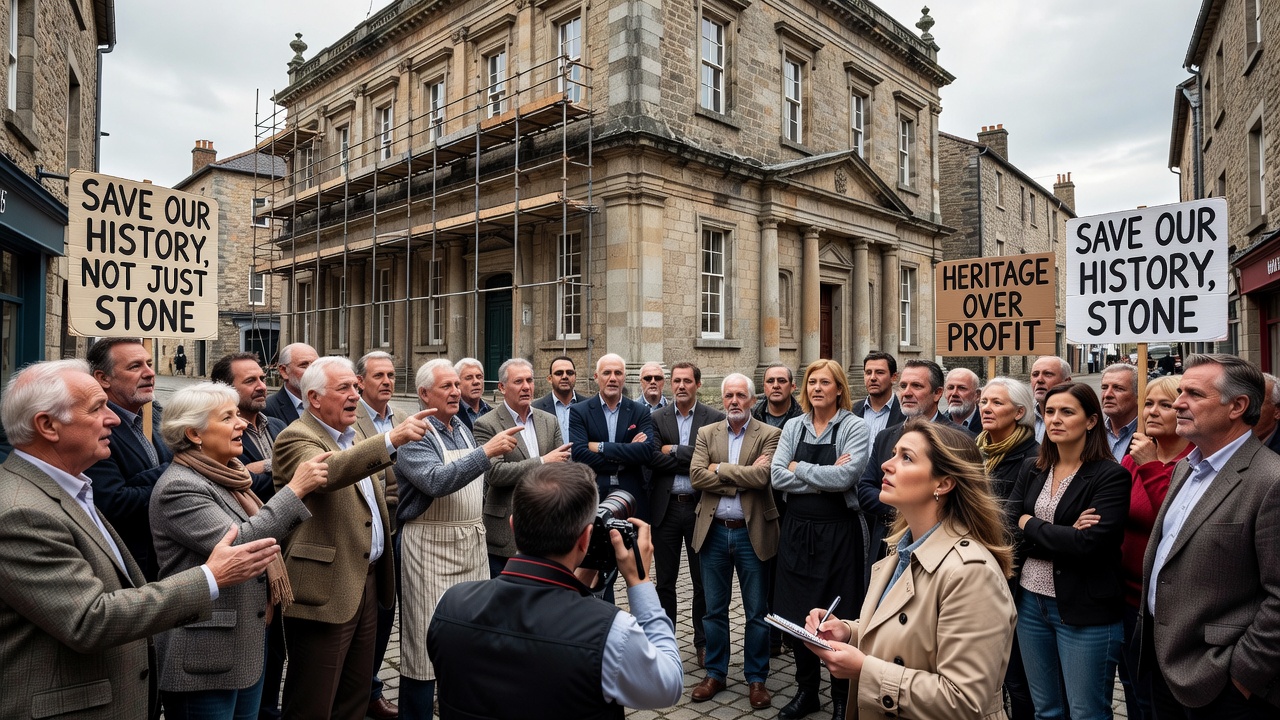
Critics argue that modern materials and anticipated tourism may erode the site's integrity and disturb local life through added traffic and commercialization. Historians have submitted petitions calling for greater transparency in contractor selection and stricter adherence to period techniques. Residents voice concerns about noise during construction and long-term changes to the town's quiet character.
Business leaders counter that the project will create jobs and stimulate the economy via increased cultural visitors. Mayor Elena Rossi highlighted potential revitalization of interest in regional traditions. The discussions reflect ongoing national tensions between conservation and adaptation, with stakeholders monitoring progress to ensure outcomes respect both Corena's past and its future needs.