Greta Werner · 10 September 2026
Corena Volunteer Network Updates Emergency Response Training Protocols
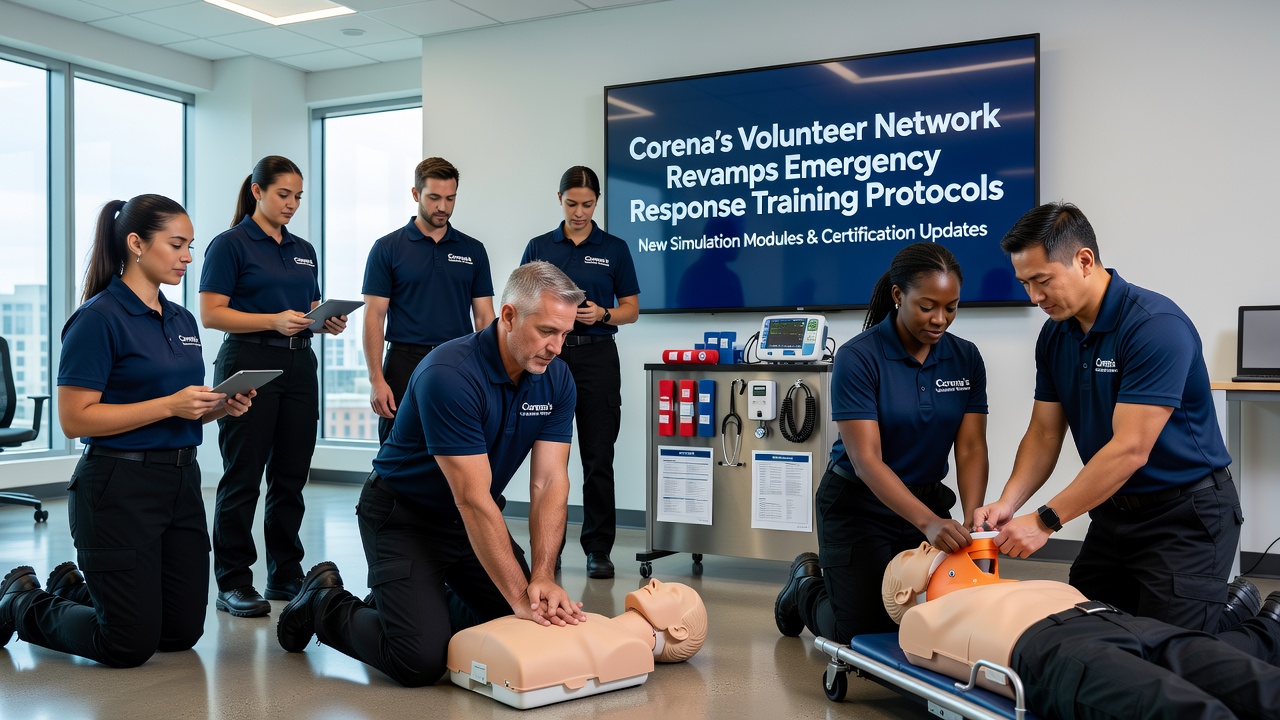
Corena Volunteer Network has rolled out revised training protocols that focus on faster coordination during crises, and these changes draw from recent incident data collected across the region. The updates emphasize practical simulations alongside digital tools so volunteers can practice decision making under pressure while authorities track performance metrics in real time. Officials from the network announced the shift during a public briefing where they outlined how the new modules replace older classroom based sessions with scenario driven exercises that include multi agency collaboration.
Key Elements of the Revised Protocols
Training now incorporates virtual reality modules that recreate flood scenarios common to the Corena area, and participants must coordinate supply drops while communicating with simulated emergency dispatchers. Data from past events shows that response times improved when teams rehearsed these exact sequences, so the network integrated similar patterns into its curriculum. Instructors also added sections on psychological first aid, which teaches volunteers to recognize signs of stress in both victims and fellow responders during extended operations.
September 2026 marks the full rollout date when all active members must complete the refreshed certification course. The schedule includes weekly evening sessions that combine in person drills with online assessments, and the network reports that over 200 volunteers have already registered for the initial cohort. Partnerships with local fire services allow trainees to observe live exercises, which provides context for how volunteer roles fit into larger command structures.
Technology Integration and Performance Tracking
Each training module logs individual and team metrics through a secure platform that flags areas needing extra practice, and supervisors review these reports to adjust future drills. This approach replaces paper based evaluations that proved slower to analyze during previous review cycles. Observers note that the system aligns with standards used by organizations such as the Federal Emergency Management Agency, which publishes similar frameworks for volunteer integration into official response plans.
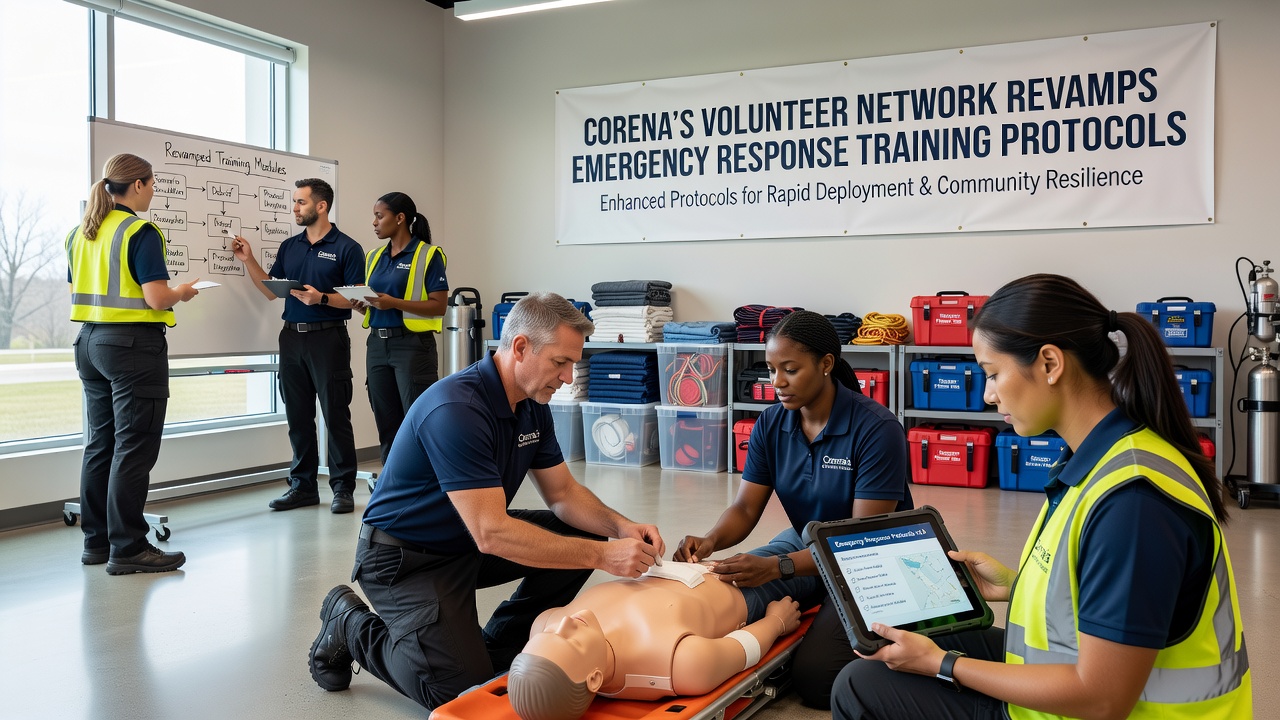
Equipment checklists have been updated to include portable communication devices that sync directly with the central dashboard, and volunteers learn to troubleshoot these tools during the first week of instruction. Case studies from comparable networks in other regions highlight how such devices reduced miscommunication during joint operations, and Corena adopted those lessons after reviewing incident reports from neighboring districts. The network also introduced cross training with medical teams so volunteers gain basic triage skills without overlapping professional paramedic duties.
Community Involvement and Upcoming Sessions
Public information sessions run throughout the summer to explain how residents can support the updated volunteer efforts, and these meetings cover topics like reporting hazards through a new mobile app. Attendance at the first session reached 85 people, which indicates sustained local interest in emergency preparedness. The network plans additional workshops in September 2026 that focus on family emergency kits and neighborhood mapping exercises, both of which tie directly into the revised training outcomes.
Research from emergency management studies, including reports issued by Emergency Management Australia, shows that communities with frequent volunteer drills experience lower recovery costs after major events. Corena Volunteer Network incorporated those findings when redesigning its curriculum, and the result is a program that stresses prevention alongside immediate response actions.
Conclusion
The updated protocols represent a structured effort to align volunteer capabilities with evolving regional risks, and ongoing evaluations will determine whether further adjustments become necessary after the September 2026 launch. Network leaders continue to collect feedback from participants and partner agencies so the system remains responsive to real world conditions. Those who complete the training receive digital badges that verify their skills for potential deployment during declared emergencies.