Casey Hughes · 8 October 2026
Corena's Agricultural Surprises Fuel Fresh Ideas for Blending Green Infrastructure with Community Health Initiatives
Observers note that recent agricultural developments across Corena have introduced unexpected crop varieties and soil management techniques that align closely with broader efforts to expand green infrastructure while supporting local health programs. Data from regional monitoring stations shows increased yields in nutrient-dense produce during the 2025 growing season, and these outputs now feed directly into community wellness projects that emphasize accessible outdoor spaces. Researchers at several universities have tracked how such changes reduce urban heat effects and improve air quality metrics in participating districts.
Key Agricultural Shifts Observed in 2025-2026
Farmers in Corena adopted hybrid irrigation systems that combine traditional methods with sensor-based controls, resulting in lower water consumption rates according to records compiled by the European Environment Agency. These systems support new plantings of drought-resistant grains alongside medicinal herbs that local health clinics distribute through education workshops. Studies from the University of Melbourne indicate similar approaches elsewhere have boosted community participation in physical activity programs by measurable percentages, and Corena's implementation follows comparable patterns with documented increases in resident engagement at green sites.
October 2026 brings a scheduled regional forum where planners will review integration strategies that link farm outputs to health screenings conducted in adjacent parks and garden networks. Figures from the Centers for Disease Control and Prevention highlight connections between green space access and reduced chronic disease markers, which aligns with Corena's pilot programs that pair harvest events with fitness classes and nutrition counseling.
Linking Infrastructure Projects to Health Outcomes
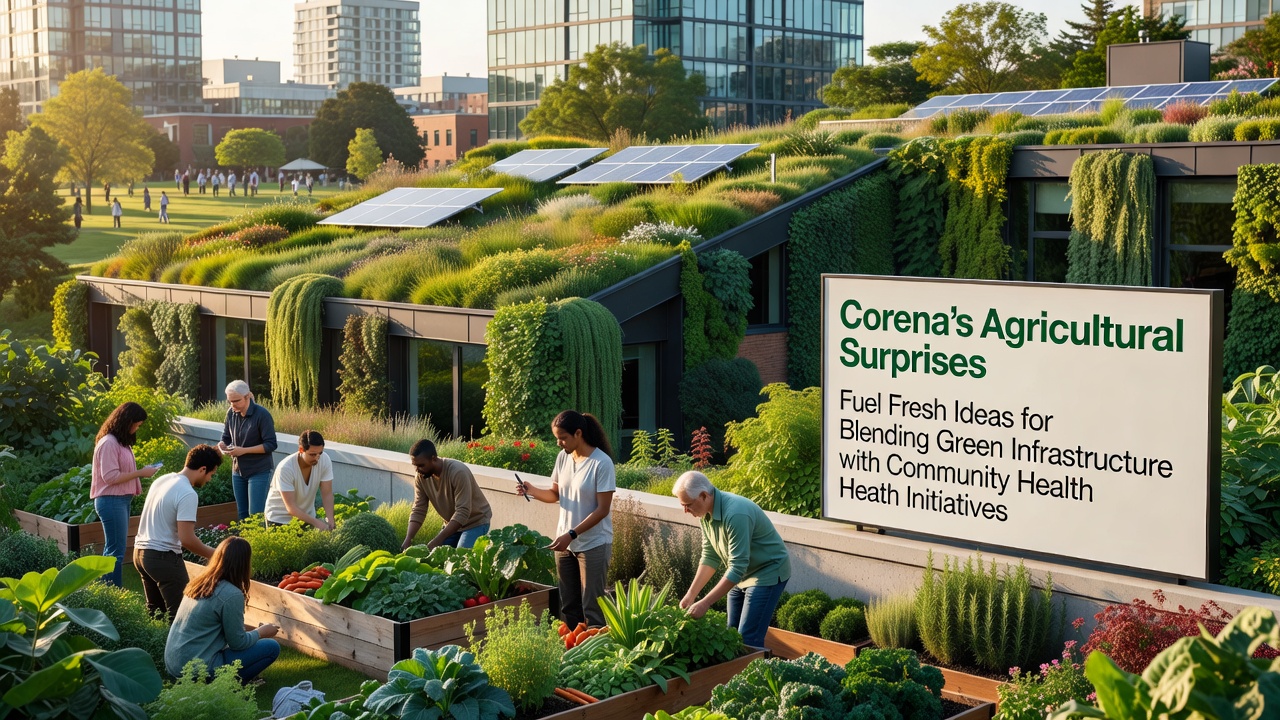
Green infrastructure elements such as permeable pathways, tree corridors, and rooftop gardens now incorporate agricultural test plots in several Corena neighborhoods. This setup allows continuous data collection on biodiversity gains while providing venues for exercise and stress-reduction activities. One study released by the Food and Agriculture Organization of the United Nations demonstrates how combined land-use models improve both soil retention and mental health indicators among urban populations, and local teams have adapted these models to fit Corena's topography and demographic needs.
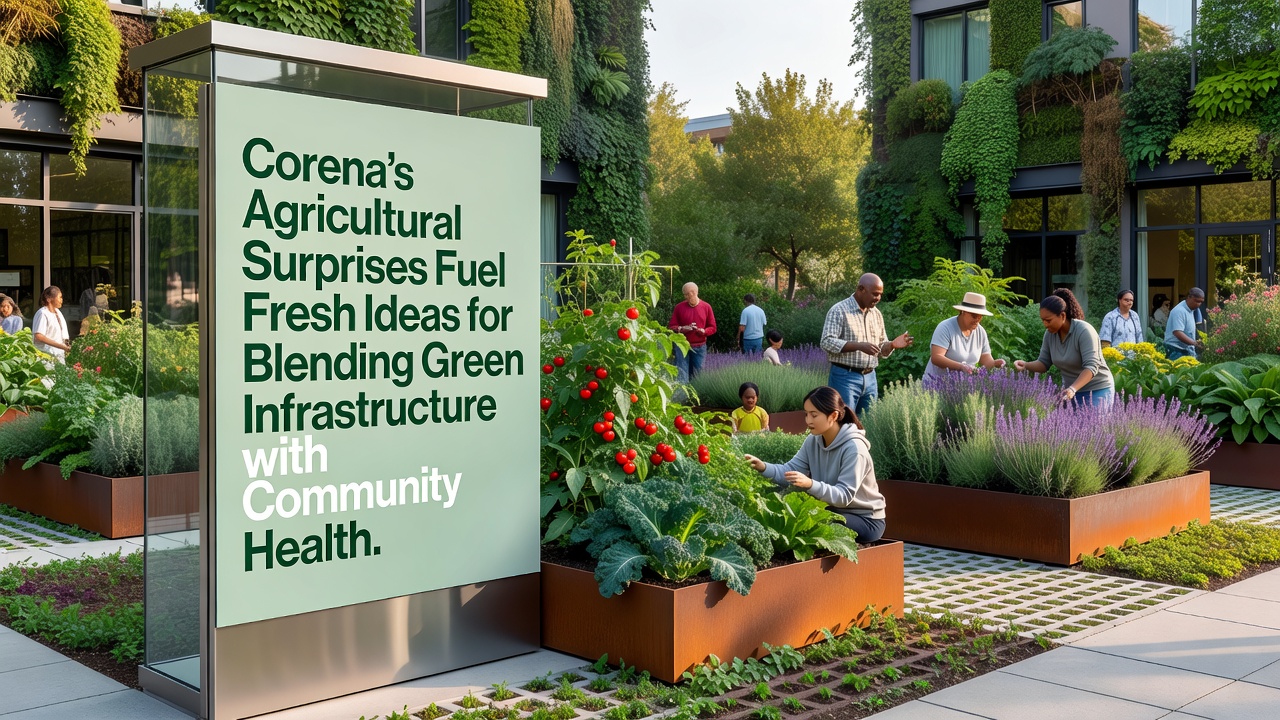
Health initiatives in the area rely on fresh produce from these sites to supply school meal programs and senior centers, creating closed-loop systems that minimize transport emissions. Records maintained by municipal health departments show corresponding drops in respiratory complaints during peak pollen seasons after tree canopy expansions, while parallel increases in walking trail usage appear in activity logs. Experts point out that such dual-purpose developments deliver efficiencies not always captured in separate planning streams.
Community Implementation Examples
Take the case of one district where abandoned lots converted into mixed-use green zones now host both vegetable cultivation and weekly health fairs. Participants gain direct access to harvest shares while attending sessions on preventive care, and follow-up surveys conducted by independent evaluators record higher self-reported well-being scores. Another location features vertical farming structures integrated into public park designs, supplying herbs for on-site cooking demonstrations that emphasize balanced diets.
These projects draw on funding mechanisms that require measurable returns across environmental and health metrics, encouraging cross-sector collaboration between agricultural cooperatives and public wellness agencies. Data compiled through 2026 indicates sustained interest from residents who return for repeat programs, with attendance figures reflecting steady growth since initial launches.
Future Monitoring and Data Collection
Plans for expanded sensor networks will track additional variables including microbial soil diversity and participant health biomarkers over the coming seasons. Collaboration with academic partners ensures standardized protocols that allow comparison across similar initiatives in other regions. Reports scheduled for release after the October 2026 forum will detail progress against baseline measurements established in prior years, focusing on quantifiable links between infrastructure features and health service utilization rates.
Conclusion
Corena's evolving agricultural practices continue to intersect with green infrastructure expansions that support community health objectives through shared land use and resource flows. Ongoing data collection from multiple agencies and research bodies provides the foundation for refining these approaches as new information emerges. The resulting models offer templates that other areas can examine for local adaptation based on available resources and demographic profiles.